


Cotton Gin Saw
Product Detail
Description:
Cotton Gin Saw
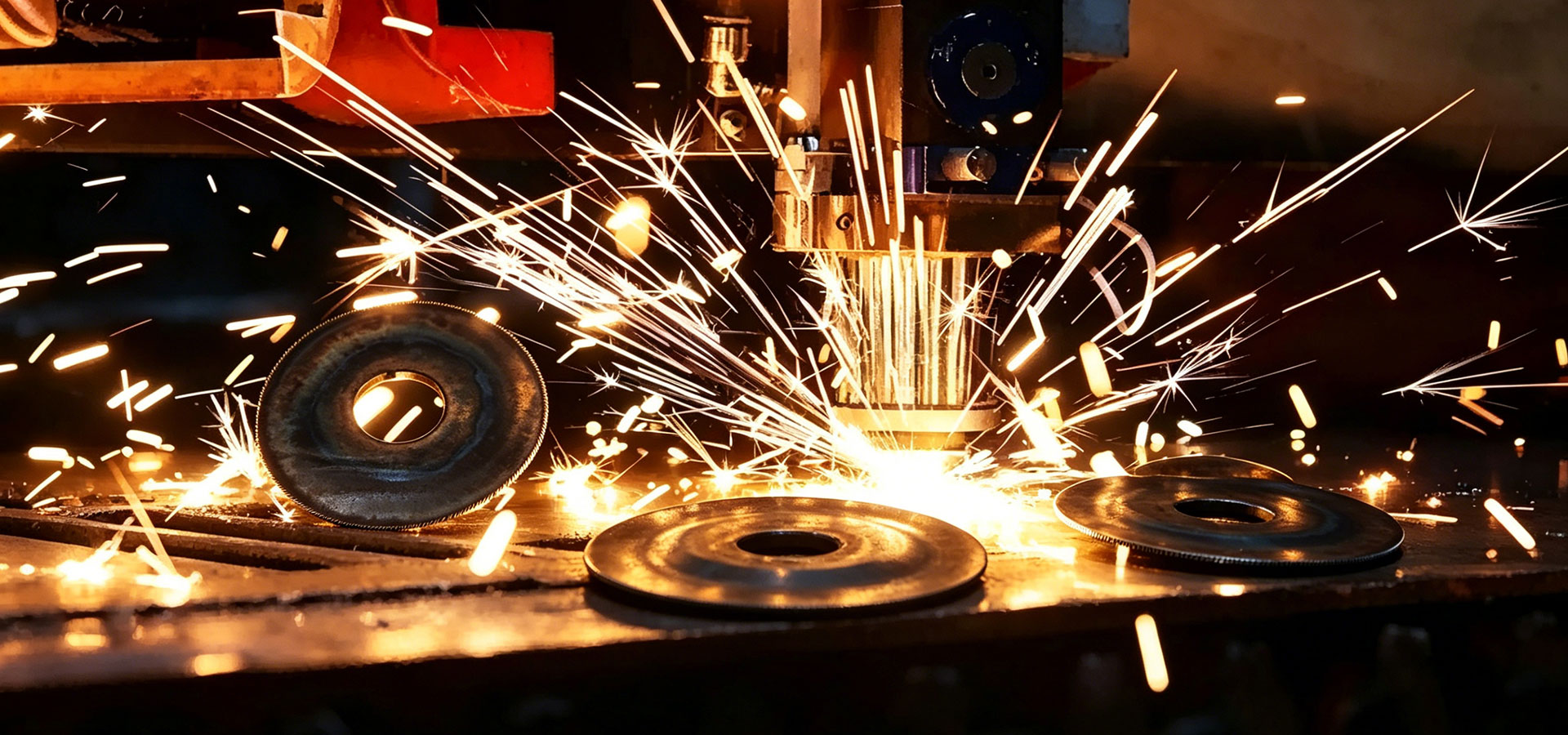
The cotton gin saw is a critical component in a saw gin stand, the machine responsible for separating cotton fibers (lint) from the seeds. Invented by Eli Whitney in 1794, the modern gin consists of circular toothed saw blades mounted on a shaft . As the saws rotate, their teeth pull lint through narrow gaps in metal ribs called 'ginners.' The gaps are too small for the seeds to pass, ensuring the fiber is pulled away while the seeds are left behind . The design and thickness of these saws directly influence the gin's processing rate, energy consumption, and final fiber quality
Performance Factors & Data
When selecting a saw blade, the following operational data points are critical:
Processing Rate: A full gin stand operates at a rate dependent on saw design. Studies show that processing rates can vary by up to 34% between different saw tooth designs at the same motor load .
Energy Consumption: Thicker saws (1.143 mm) consume approximately 26.5 W-h/kg of lint, compared to 19.7 W-h/kg for thinner (0.914 mm) saws .
Blade Pitch (Gin Stand): The spacing between the saw blades on the shaft is typically 14.8 mm or 16 mm . This spacing is matched to the rib thickness to ensure efficient seed holding.
Specifications:
Saw Thickness
0.91 mm – 1.14 mm (0.036 – 0.045 in.)
Thicker saws (1.14 mm) are more durable but require ~35% more energy and run 10% slower than thinner (0.91 mm) saws
Number of Teeth
264 to 352 teeth per saw
Standard 12' blades often feature 264-282 teeth; High-performance 16' blades can have up to 352 teeth. More teeth generally increase processing rates
Hardness (HRC)
38 – 45 HRC (Standard)
*Up to 58-62 HRC* (Premium/Coated)
Hardness affects wear resistance. Softer steel is tougher and resists cracking


 Copy product links
 Long by picture save/share
INQUIRY


Add Successfully

Product | about us | News | contact us
Phone/whatsapp:+8618051723093
Email: jennymaisutech@gmail.com

点击右上角
分享给朋友吧
Copyright @ Yancheng Maso Machinery Technology Co.,Ltd.
